
laminated glass noise reduction
Understanding the Importance of Runout Testers in Quality Control In today's competitive manufacturing landscape, ensuring the precision and quality of components is crucial. One of the key tools utilized in this context is the runout tester, a device that measures the amount of runout present in rotating parts, such as shafts, bearings, and wheels. This article aims to delve into the significance of runout testers, their operating principles, and their applications in various industries. What is Runout? Runout refers to the deviation of a rotating object's centerline from its intended circular path. It can occur in two main forms radial runout and axial runout. Radial runout measures the variation in the distance from the center axis to the outer edge of a rotating part, while axial runout assesses how much a part wobbles along its axis of rotation. Excessive runout can lead to vibrations, accelerated wear, and premature failure of components, making it essential to monitor and control this parameter during manufacturing and assembly. How Does a Runout Tester Work? A runout tester typically consists of a probe, which is mounted on a stable platform and positioned in contact with the component being tested. As the part rotates, the probe measures the radial or axial displacement, providing real-time feedback on any runout present. The readings are often displayed on a digital screen or recorded for further analysis . Some advanced runout testers also come equipped with software that can analyze trends over time, providing predictive maintenance capabilities and aiding in quality control. The setup of a runout tester generally involves the following steps 1. Mounting the Component The part being tested is securely mounted to prevent movement during the test. 2. Positioning the Probe The probe is adjusted so that it makes contact with a specific point on the rotating surface. runout tester 3. Performing the Test The component is rotated at a controlled speed, and the probe captures displacement data. 4. Analyzing the Results The readouts indicate the level of runout, allowing manufacturers to determine whether the component meets specified tolerances. Applications of Runout Testers Runout testers are employed across various industries, including automotive, aerospace, manufacturing, and robotics. In the automotive industry, for instance, the precision of rotating elements such as crankshafts and brake rotors is critical for vehicle performance and safety. Regular testing ensures components are within acceptable tolerances to prevent vibrations and enhance overall vehicle reliability. In aerospace, where safety is paramount, runout testers are used to measure critical components such as turbine shafts and landing gear. Even slight deviations can have serious consequences, making accurate measurement essential. Additionally, in the manufacturing sector, runout testing is integral to production lines where rotating machinery is involved. By routinely checking for runout, manufacturers can minimize downtime, reduce maintenance costs, and improve product quality. Conclusion In summary, runout testers are vital tools that play a significant role in ensuring the precision and reliability of rotating components across various industries. With the ability to identify and quantify runout, these testers help manufacturers maintain high-quality standards and enhance the performance of their products. As technology continues to evolve, the capabilities of runout testers are likely to expand, incorporating advanced analytics and connectivity to further streamline quality control processes. By investing in such tools, companies not only comply with industry standards but also foster long-term operational efficiency and customer satisfaction.
about
laminated glass noise reduction
Omkostninger ved Mikrometre En Nærmere Beskrivelse Mikrometre er essentielle værktøjer i mange industrier, herunder maskinbygning, elektronik og præcisionsmåling. Disse instrumenter muliggør måling af små dimensioner med ekstrem præcision, hvilket gør dem uundgåelige i kvalitetskontrol og produktionsprocesser. Men når vi taler om mikrometre, er det vigtigt at overveje omkostningerne forbundet med disse instrumenter, da de kan variere betydeligt afhængigt af flere faktorer. Omkostninger ved Mikrometre En Nærmere Beskrivelse Desuden er typen af mikrometer også en afgørende faktor for omkostningerne. Der findes forskellige typer mikrometre, såsom udvandrere, indvandrere og digitale mikrometre. Digitale mikrometre er normalt dyrere end deres analoge modparter, men de tilbyder fordelene ved hurtigere aflæsninger og lettere tolkning af data. Når man vælger en mikrometer, skal man overveje, hvilken type der er mest hensigtsmæssig for ens specifikke behov, hvilket kan have stor indflydelse på det samlede budget. cost of micrometer Kvaliteten af mikrometeret spiller også en væsentlig rolle i dets omkostninger. Højpræcisionsmikrometre fra anerkendte producenter vil ofte have en højere pris, men de tilbyder også en bedre nøjagtighed og holdbarhed. Det er vigtigt at finde en balance mellem omkostninger og kvalitet, da en lavere pris ofte kan betyde kompromis med nøjagtigheden, hvilket kan føre til fejlmålinger og potentielt kostbare konsekvenser i produktionen. En anden faktor, der spiller ind, er det specifikke anvendelsesområde for mikrometeret. Hvis det kræves til mere specialiserede målinger, kan der være behov for specialdesignede mikrometre, som ofte har en højere pris. For eksempel, hvis man arbejder inden for flyindustrien eller medicinalindustrien, hvor ekstrem præcision er afgørende, vil omkostningerne til mikrometre være højere på grund af de strengere krav til kvalitet og præcision. Det er også værd at nævne, at vedligeholdelsen af mikrometeret kan være en yderligere omkostning. For at sikre præcise målinger kræver mikrometre regelmæssig kalibrering og vedligeholdelse. Omkostningerne ved kalibrering kan variere afhængigt af, hvor ofte det er nødvendigt, og om det udføres internt eller eksternt. At investere i korrekt vedligeholdelse kan dog forlænge levetiden for mikrometeret og sikre, at det fungerer optimalt. Afslutningsvis, når man overvejer omkostningerne ved mikrometre, er det vigtigt at se på de forskellige faktorer, der kan påvirke prisen – fra materialer og typer til kvalitet og vedligeholdelse. Det er vigtigt at finde det rigtige mikrometer, der passer til ens specifikke behov og budget. Kvalitet har ofte en pris, men det er ofte en værdifuld investering for at sikre præcise målinger og dermed højere kvalitet i det endelige produkt. At forstå omkostningerne forbundet med mikrometre kan hjælpe virksomheder med at træffe informerede beslutninger og optimere deres måleprocesser.
-

High quality industrial productsagement

High quality industrial products
View Details -

Meet the diverse needs of customers

Meet the diverse needs of customers
View Details -

Strict quality control

Strict quality control
View Details -

Top raw materials

Top raw materials
View Details -

Trusted supplier

Trusted supplier
View Details
Our application


news and information
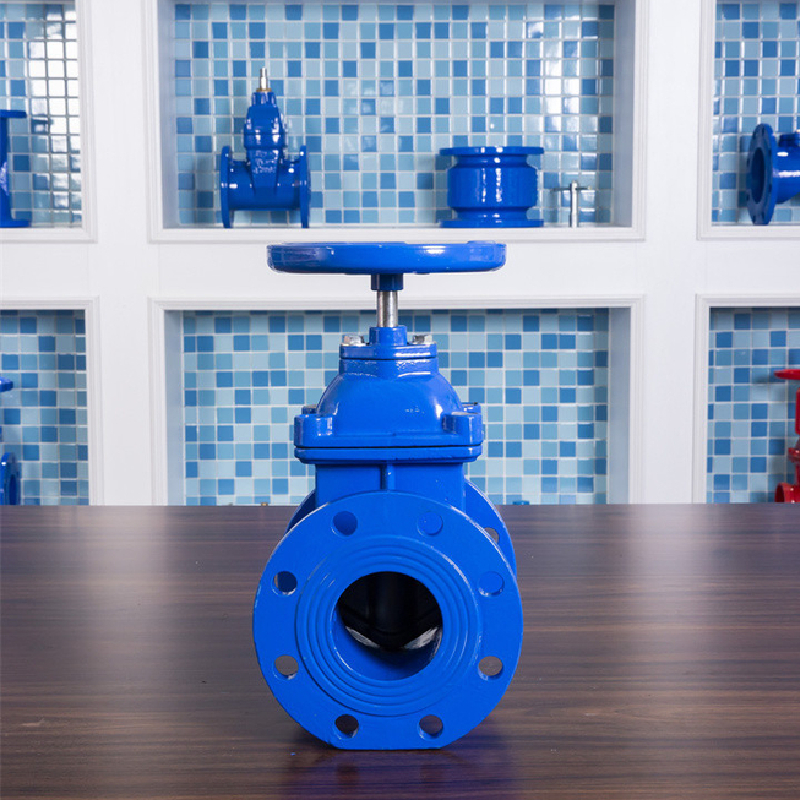
Valve tipleri
Valf Tipleri Endüstriyel Uygulamaların Temel Taşı Valfler, endüstriyel sistemlerin vazgeçilmez parça
Wasserdrückregelventil - Effiziente Steuerung für Ihre Wasserversorgung
Druckregelventile für Wasseranwendungen Druckregelventile spielen eine entscheidende Rolle in der Wa

Welded Globe Valve Applications and Benefits in Industrial Systems
Understanding Welded Globe Valves Functionality and Applications Welded globe valves are critical co
 English